

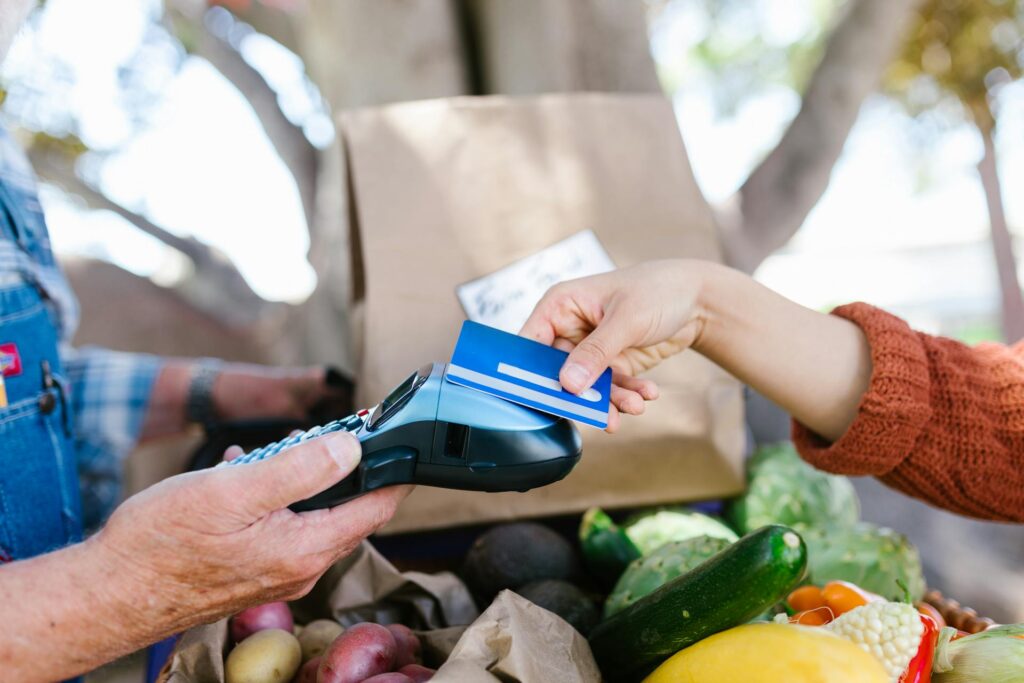
Think of it like this: have you ever been to the shops to buy a candy bar, realized you had no cash, and then asked if you could pay with a card? Most merchants will probably say, “Sure,” but more than a few will say, “Sure, but there’s a minimum payment with a card.”
It’s not likely to happen with a big-box retailer, but if you run into a local store, it might. And the reason is simple: the transaction on the machine, as you know, costs the merchant money. It’s not much per transaction, but add them up over time and volume… As they say, an ocean is simply a collection of raindrops, and piggy banks become biggy banks.
The scoop: here’s an overview of what you need to know
As the astute financial person that you are, you already know this. Still, as they say, learning is repetition, repetition, repetition: owning a merchant account portfolio, much like buying a lien, means passive income (though the income streams are pretty different).
And that means money earned that’s not tied to an hour of work. It’s leveraging the system. It’s what the wealthy do.
Here’s an overview of some of the key performance indicators of how merchant account portfolios are evaluated, and thus valuated:
- Margins of profit
- Stability of accounts
- Rates of churn
- Trends in industry
- Demographics of the client
- Whether revenue is long- or short-term
Let’s take a closer look at a few of these.
Demographics of the client
Let’s say you were a merchant in Japan. In the future, the Japanese market will continue to shrink, as the Japanese population ages even more rapidly, and birth rates fail to stave off the inexorable contraction of the economy.
If the majority of your merchants were based there, a plethora of questions would potentially arise:
- Do older people still spend money in Japan the way they do in the United States?
- Do most of my merchants sell goods that older people may need more of, such as medicines, hearing/seeing aids, and food that isn’t too spicy?
- Do Japanese pensions allow for smaller or larger disposable incomes, which will fuel the growth of a consumer market, e.g., for age-assisted travel or discretionary spending on grandchildren?
Trends in industry
Related to the above but arguably more macroeconomic in nature, trends shaping the global landscape can affect demography and many other variables, including geography and behavior-based consumption.
What are the socio-political, economic, legal, and technological trends that could affect the stability of the merchant accounts in your portfolio? For example, what does the decline of the mall mean for finding new and unexpected places to shop? How is the rise and rise of the petcare industry creating new opportunities for merchants?
Rates of churn
Merchant economies rule the world. Countries that focus on trade rather than aggressive territorial expansion always come out on top. Think Singapore, Taiwan, South Korea. But that doesn’t mean merchants have it easy. Many entrepreneurs have great ideas that just don’t quite get off the ground.
Naturally, this means you need to evaluate your merchant base. Are merchants sticking with you as a service provider, or jumping ship? And is this because your rates are too high, or simply because they are in challenging industries? For example, how many of your merchants are directly affected by the volatility in food prices? The rate at which you retain a merchant or bleed one away is a good indicator of how robust your portfolio is.
Long-established, older merchants in growth markets are always a boon, while the bane comes from newer, risk-heavy merchants in untried markets with innovatively disruptive goods. Of course, luck and timing also play a role, and there are no guarantees. But there are some anchors along the way that will give you an indication of the stability of your merchant base.
Margins of profit
Ah yes, the old P=I-K formula, where P is for profit, I stands for income, and K means cost (don’t ask why it’s a K, okay?). If I buy a chocolate bar for $1 and the cost of keeping it in my store is another $1, and I sell it for $3, then business is going well.
Doing the calculations to see how much your merchant account is worth based on how much profit you’re making is simple to understand, but complex to practically implement. Some specific KPIs in this regard include sales volume, the profit point on the residual or sales basis, and the percentage of that generated by your top 5 accounts.
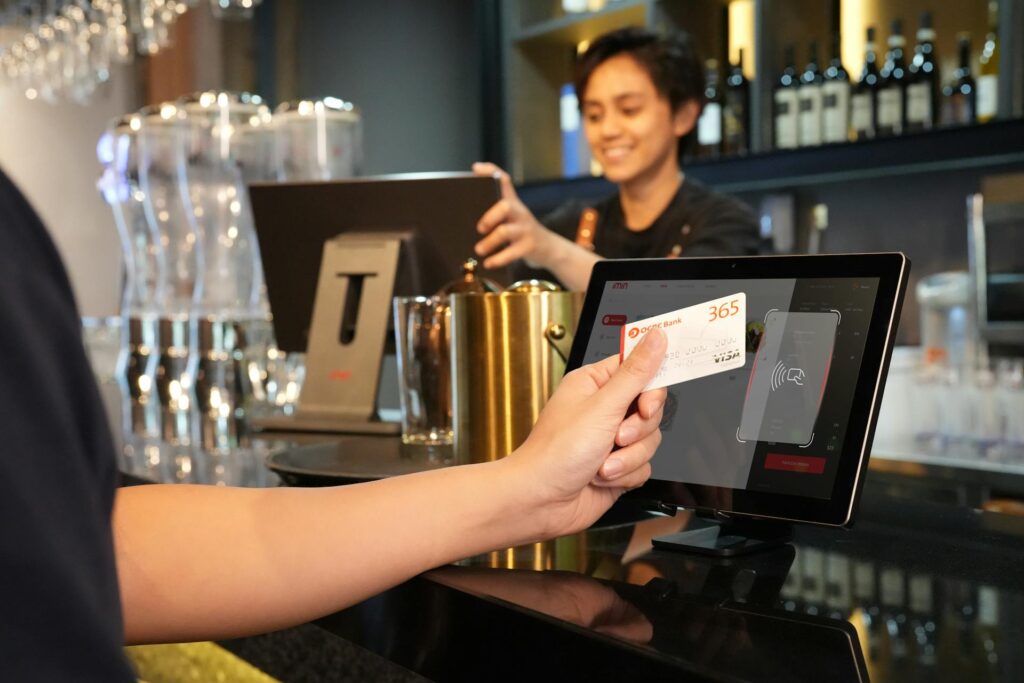
So, whether you’re interested in selling your merchant account portfolio, buying one, or just knowing how much it’s truly worth, one of the key factors of wealth creation is crunching the numbers. Curators of wealth culture, from Buffett to Banksy, have paid their dues learning the craft.
Oh, and speaking of Buffett, whether we’re talking about Jimmy, who parlayed the humble margarita into a small fortune, or Warren, who, together with bestie Charlie Munger, managed to perform the ultimate alchemy – well, as they say, if you can’t beat ‘em, join ‘em! For more insights on the potentially lucrative arena of merchant account portfolios, or to do a quick valuation of yours, try this valuation calculator.